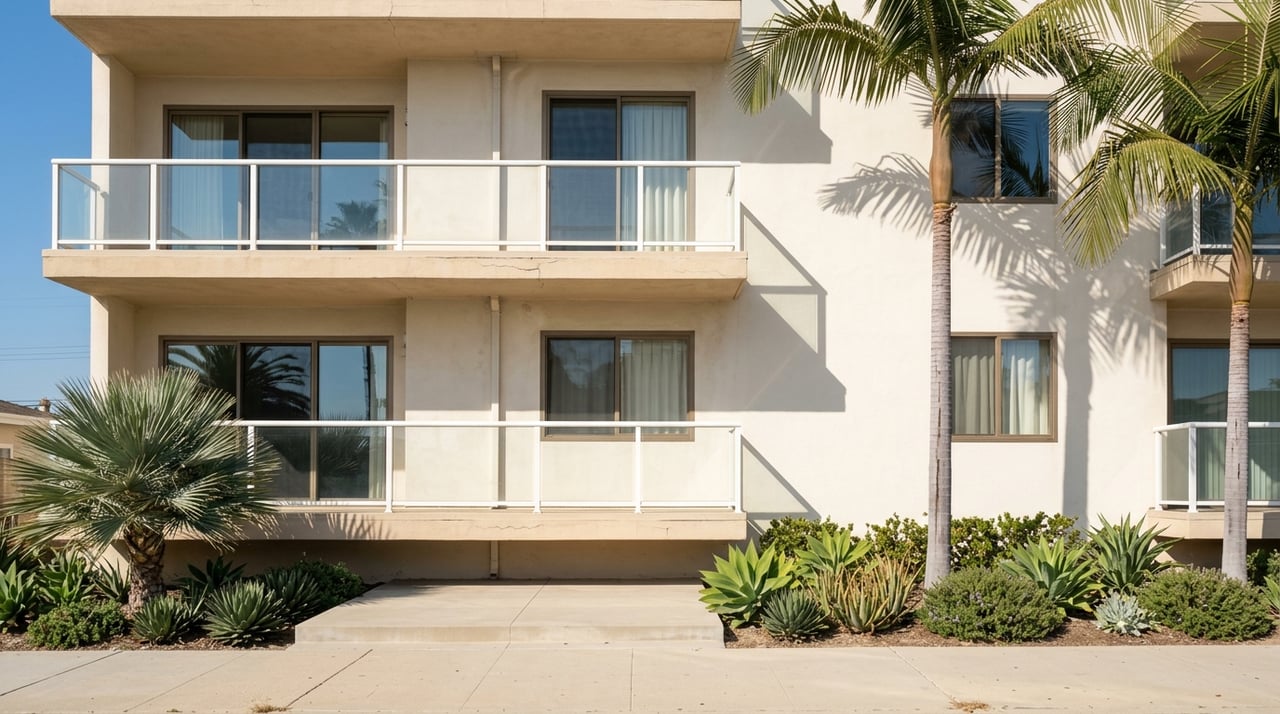
If you are trying to choose between a condo and a house in La Jolla, you are not just comparing floor plans. You are choosing how you want to live on the coast, how much privacy you want, and how much day-to-day upkeep fits your routine. In a market where both condos and detached homes can reach into the multimillion-dollar range, clarity matters. This guide will help you compare price, lifestyle, carrying costs, and long-term flexibility so you can choose your best La Jolla base. Let’s dive in.
La Jolla Market Snapshot
La Jolla remains one of San Diego’s highest-priced coastal markets. In March 2026, Redfin reported a median sale price of $2,406,500 across all home types, with 127 homes sold and a median of 44 days on market. The same data describes La Jolla as somewhat competitive.
When you zoom in on current inventory, the condo-versus-home divide becomes clearer. Redfin shows 47 condos for sale at a median listing price of $1.4 million, while the broader La Jolla homes market shows 169 homes for sale. For many buyers, that means condos offer a lower entry point, but not always a lower ceiling.
Current listings show that range in real terms. Condo examples run from about $625,000 for a one-bedroom to $7.695 million for an ocean-view penthouse. Detached home examples start around $2.588 million and climb through $4.689 million, $6.495 million, $12.495 million, and up to $26.5 million.
Condo vs Home Pricing
For many buyers, price is the first filter. In La Jolla, condos usually create a more accessible way into the market, especially if you want coastal access without the price tag of a detached property. That can be especially appealing if you are buying a second home or a lower-maintenance primary residence.
At the same time, it is important not to oversimplify the market. La Jolla has luxury condos with ocean views, premium locations, and building amenities that can push pricing into the same territory as single-family homes. If you are shopping at the upper end, the better question is often not “condo or house?” but “which lifestyle is worth the premium to you?”
Lifestyle Differences That Matter
Why Many Buyers Choose Condos
Condos in La Jolla often cluster near the Village and shoreline-adjacent areas. That can mean easier access to cafés, boutiques, dining, and the coast, along with a more convenient everyday setup. Even though Redfin labels the area minimally walkable overall with a Walk Score of 29, some condo locations still support a more centralized coastal lifestyle.
Current listings also highlight the appeal of amenities and ease. Depending on the building, you may find features like pools, garages, patios, and top-floor or corner-unit positions. Some condos even advertise only one shared wall, which can make them feel more private than buyers expect.
For many people, the biggest draw is simple: less exterior upkeep. If you travel often, split time between homes, or just want a lock-and-leave property, a condo can line up well with that goal.
Why Many Buyers Choose Houses
Detached homes in La Jolla usually offer more land, more separation, and more flexibility outdoors. Current listings include large lots, gated entries, long private driveways, terraces, and attached guest accommodations. Those features can dramatically change how a property feels and functions.
If you value privacy, room to spread out, or a stronger indoor-outdoor living setup, a house often delivers more of that experience. A detached home can also give you more options for hosting guests, creating outdoor gathering areas, or simply enjoying more distance from neighbors.
The Middle Ground
The choice is not always black and white. Some La Jolla condos narrow the gap with end-unit layouts, balconies, parking, top-floor locations, and limited shared walls. If you want convenience but still care deeply about privacy and comfort, these hybrid-feel properties are worth watching.
Monthly Costs and Ownership Responsibilities
Price is only part of the financial picture. Your monthly carrying costs and ownership responsibilities can look very different depending on whether you buy a condo or a house.
What Condo Ownership Usually Includes
In California, condos usually operate within a homeowners association. The California Attorney General explains that HOAs enforce CC&Rs and community rules, collect dues and assessments, and operate under laws that address finances, maintenance responsibilities, and dispute resolution. The California Department of Real Estate also notes that common areas are owned or controlled by the HOA, while some spaces may be designated for exclusive use by one or more owners.
That structure can make ownership feel simpler in some ways. Shared exterior maintenance and common-area management may reduce the amount of hands-on upkeep you handle yourself. In exchange, you take on HOA dues and agree to the rules that come with the community.
Current La Jolla condo listings show how much those dues can vary. Recent examples include monthly HOA payments of $400, $792, and $1,650. When you compare condos, those fees should be considered alongside amenities, exterior maintenance, and the overall ease of ownership.
Condo Insurance Basics
The California Department of Insurance says condo unit-owner insurance generally covers personal property, loss of use, personal liability, and interior improvements that the owner is responsible for maintaining. The association generally insures the building structure and common areas. CDI also notes that loss-assessment coverage can matter if owners are assessed after a covered loss, and that earthquake damage to common areas and exterior structure may not be fully covered by the HOA policy.
For buyers, the takeaway is simple. You should understand exactly what the HOA insures, what your personal policy needs to cover, and whether special risks or assessments could affect your costs later.
What Homeownership Usually Includes
Detached-home ownership gives you more control, but it also gives you more direct responsibility. According to the California Department of Insurance, a homeowners policy typically covers the dwelling, other structures, personal property, loss of use, liability, and medical payments. It commonly excludes earthquake, flood, mold, and wear and tear, among other perils.
In practical terms, that means you are generally the one planning for roof maintenance, exterior repairs, yard care, and system upkeep. Some buyers prefer that control. Others would rather trade some flexibility for a more managed ownership experience.
Flexibility Over Time
What works for you today should also work for the next chapter. That is one reason the condo-versus-home decision matters so much in La Jolla.
Renting Out the Property
If you think you may rent out the property in the future, you need to look at both city rules and property-specific rules. The City of San Diego says a Short-Term Residential Occupancy license is required for any dwelling unit, or part of a dwelling unit, rented for less than one month. The city also states that this applies across property types, including houses, condos, rooms, and spaces.
The city further notes that a host may hold only one license at a time and may not operate more than one dwelling unit for short-term occupancy at a time. That means you should not assume a condo is easier to rent simply because it is smaller, or that a house comes with unlimited rental freedom.
For condos, HOA documents may add separate restrictions on leasing, parking, and use. For houses, you may have fewer private community restrictions, but city rules still apply. If future rental use matters to you, this is an area where careful review upfront can save major frustration later.
Remodeling and Personal Control
Detached homes usually offer more flexibility for renovations, exterior changes, and long-term space planning. If you want broader control over how the property evolves over time, a house often gives you more room to make those decisions.
A condo can still be a strong fit, but you will typically need closer attention to HOA rules, common-area boundaries, and approval requirements. If you are the kind of buyer who wants simplicity, that may be perfectly fine. If you want maximum control, it may feel limiting.
Which Option Fits Your Goals?
A Condo May Be the Better Fit If You Want:
- A lower typical entry point into La Jolla
- Easier travel flexibility and lock-and-leave convenience
- Less exterior maintenance
- Amenities such as pools, garages, or managed common areas
- A more centralized coastal base near the Village or shoreline
A House May Be the Better Fit If You Want:
- More privacy and physical separation
- Larger outdoor space
- Guest accommodations or more flexible room configurations
- Greater control over remodeling and long-term property use
- A stronger indoor-outdoor living setup
The Real Decision
In many cases, the choice comes down to this: do you want La Jolla as a low-maintenance coastal base, or as a private long-term retreat? Both paths can be excellent, but they support different lifestyles and different ownership priorities.
Because La Jolla pricing can overlap across property types, the smartest move is often to compare not just list price, but total monthly cost, rules, privacy, location, and how you plan to use the property over time. That is where local market context and a clear pricing strategy become especially valuable.
If you are weighing condos versus homes in La Jolla, working with a local advisor who understands coastal pricing, ownership nuances, and lifestyle tradeoffs can make the decision much clearer. Quinlan Gaughan Real Estate brings a data-informed, concierge-level approach to helping buyers find the right fit in San Diego’s coastal markets.
FAQs
What is the typical price difference between condos and homes in La Jolla?
- Current La Jolla condo listings show a median listing price of about $1.4 million, while detached-home listings commonly start much higher, although luxury condos can also reach well into the multimillion-dollar range.
Which property type is better for a lock-and-leave lifestyle in La Jolla?
- A condo is usually the better fit for a lock-and-leave lifestyle because HOA-managed maintenance and shared amenities can reduce day-to-day ownership demands.
Do La Jolla condos always cost less than houses?
- No. Condos usually offer a lower entry point, but some high-end La Jolla condos, including ocean-view residences, can overlap with detached-home pricing.
What should buyers know about HOA dues in La Jolla condos?
- HOA dues can vary widely, and current listing examples include $400, $792, and $1,650 per month, so you should compare those costs against amenities, maintenance coverage, and community rules.
Can you use a condo or house in La Jolla as a short-term rental?
- Both property types are subject to the City of San Diego’s short-term residential occupancy licensing rules, and condos may also have HOA restrictions that limit or regulate rental use.
Which option offers more privacy in La Jolla, a condo or a house?
- A detached house usually offers more privacy, outdoor space, and separation, although some condos reduce the gap with corner-unit, end-unit, or top-floor layouts.