Trying to choose between Point Loma’s marina side and its hillside streets? You are not alone. This part of San Diego looks compact on a map, but the feel, pricing, and daily routine can shift a lot from one pocket to the next. If you are deciding where to focus your search, this guide will help you understand the tradeoffs so you can match the right micro-neighborhood to your lifestyle. Let’s dive in.
Why Point Loma Feels So Different Block to Block
Point Loma sits within the Peninsula community planning area, a 4,409-acre coastal district that includes La Playa, Roseville, Loma Portal, Fleetridge, Point Loma Highlands, Liberty Station, and other smaller pockets. The City describes the area as a large hill stretching into the Pacific from the north end of San Diego Bay.
That geography matters. Elevation, bay access, view corridors, lot size, and street patterns all shape how each part of Point Loma lives day to day. In practical terms, that means your best-fit neighborhood often comes down to what you want most: water access, privacy, views, or convenience.
Marina Side Point Loma
If you picture Point Loma as boats, promenades, bay views, and easy access to the waterfront, you are likely thinking about the east and bay-adjacent side of the peninsula. These pockets tend to feel more active, more public, and more tied to the marina lifestyle.
La Playa and Kellogg Beach
La Playa is one of the most distinct addresses in Point Loma. The community plan describes it as an area with large single-family homes in a mix of colonial, Spanish, and contemporary styles, with large estates along the bay, heavy vegetation, and hillside views toward San Diego Bay and downtown.
If your priority is bay proximity, privacy, and view-oriented living, La Playa often stands out. As of April 2026, Realtor.com shows a median listing price of $3.19 million, which reflects its position at the top end of the local market.
La Playa is not mainly about a walk-everywhere routine. Redfin classifies it as car-dependent, with a Walk Score of 40 out of 100, so buyers here are usually prioritizing setting and scenery over errands on foot.
Roseville, Shelter Island, and the Marina Edge
Roseville offers a different kind of marina-side experience. It is the oldest settled part of Point Loma, established in 1869 and historically connected to the area’s Portuguese community. Today, it still feels more mixed-use and connected to Point Loma’s commercial activity than the quieter estate streets of La Playa.
The Peninsula plan identifies Roseville as a commercial core, and that helps explain why it can feel more accessible for day-to-day living. As of April 2026, Roseville shows a median listing price of $1.272 million, making it a notably different price point from La Playa.
Shelter Island and the nearby marina areas add a strong recreation focus. Shelter Island Shoreline Park includes bike paths, a boat launch, a fishing pier, picnic areas, public art, and wide bay and skyline views. Point Loma Marina Park adds a waterfront promenade and walking path overlooking the marina and peninsula hillsides.
If you want to be close to boating, waterfront activity, and public outdoor amenities, this side of Point Loma makes a strong case. The tradeoff is that it can feel more public and more vehicle-dependent than inland residential pockets.
Hillside Point Loma
If your vision of Point Loma is quieter streets, more separation between homes, and a stronger sense of residential privacy, the hillside and inland pockets may be the better fit. These areas often trade on lot size, topography, and neighborhood character rather than immediate marina access.
Point Loma Highlands and Loma Portal
Point Loma Highlands sits at the crest of the north-south hill running through the Peninsula. The community plan describes it as a well-landscaped and maintained single-family neighborhood.
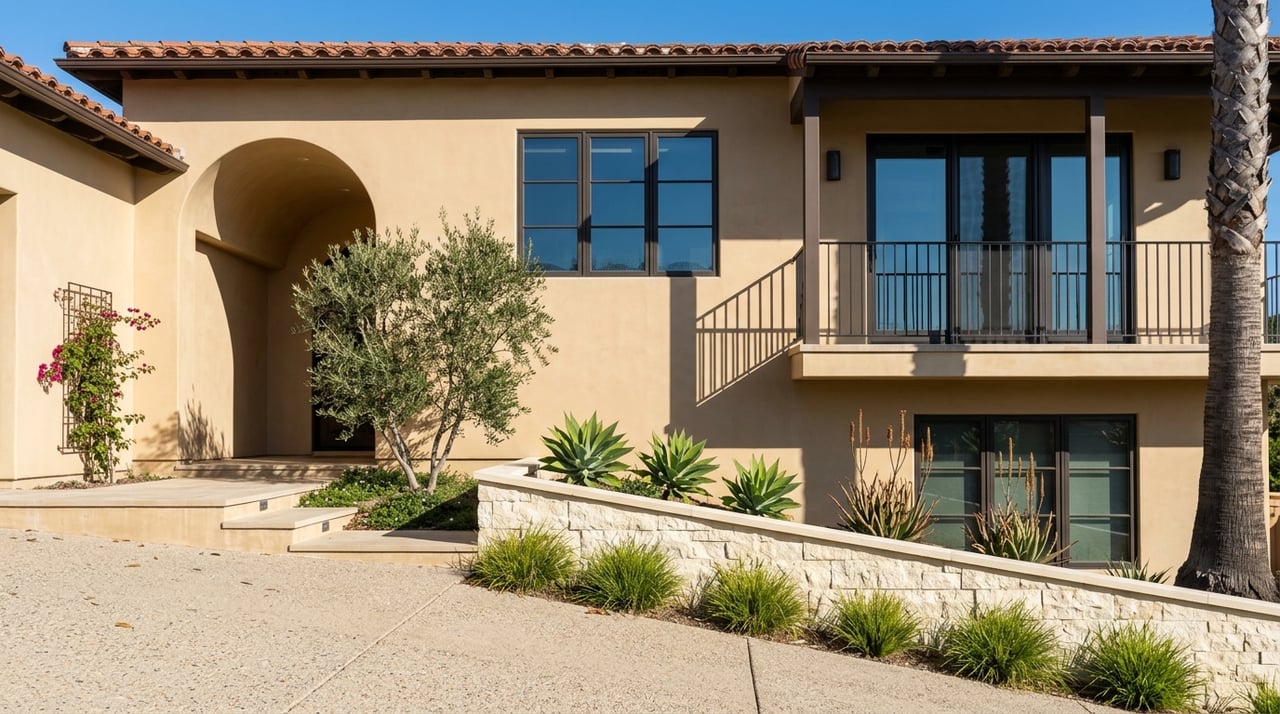
Loma Portal has a different historic texture. It is one of Point Loma’s older areas, known for substantial landscaping, small winding concrete streets, old street lights, and many homes with Spanish styling, pastel stucco, and red tile roofs.
For buyers who value architectural character and a more elevated residential feel, these hillside pockets often check important boxes. Loma Portal had a median listing price of $2.0 million as of April 2026, which is a reminder that hillside neighborhoods can command premium pricing when they offer views, privacy, and distinctive housing stock.
Fleetridge and the Wooded Area
Fleetridge and the Wooded Area offer yet another version of Point Loma living. Fleetridge was mostly developed in the 1950s and consists primarily of one-story single-family homes with cedar shake roofs, often on larger lots than other postwar Point Loma tracts.
The Wooded Area is especially distinct. The community plan describes it as a large-lot single-family enclave with mature eucalyptus and evergreen trees, narrow and sometimes unpaved roads, and a more rural atmosphere.
If yard space, lot depth, and privacy are high on your list, these inland pockets are often worth a closer look. They are less about being near the marina and more about having breathing room in a coastal setting.
Liberty Station Is the Exception
Most Point Loma buyers face a tradeoff between marina proximity and private residential feel. Liberty Station is the clearest exception.
This former Naval Training Center is now a 361-acre mixed-use district with shopping, dining, arts, entertainment, open space, and Spanish Colonial Revival architecture. Compared with much of Point Loma, it offers a more walkable daily routine, especially if you want errands, restaurants, and activities closer to home.
If walkability is your top priority, Liberty Station along with nearby Roseville and Point Loma Village are the strongest daily-use nodes in the area. For many buyers, that convenience can outweigh the appeal of a larger lot or a more tucked-away setting.
Pricing Differences Tell the Story
The current market spread across Point Loma’s micro-neighborhoods helps explain the lifestyle differences. As of April 2026, median listing prices were about $1.272 million in Roseville, $2.0 million in Loma Portal, and $3.19 million in La Playa.
Those numbers support a clear pattern. In Point Loma, buyers tend to pay a premium for combinations of bay access, view corridors, lot size, and privacy.
At the broader ZIP level, the 92106 market snapshot showed a detached median sales price of $2.1 million in April 2026, with 2.3 months of detached inventory and 28 days on market year to date. Attached homes showed a median sales price of $855,000 in April 2026 and $1.018 million year to date.
A broader Point Loma Peninsula market summary showed a median listing price of $1.4925 million, a median sold price of $1.4545 million, and 33 median days on market as of April 2026. Since that uses a broader neighborhood definition than ZIP 92106, it is best read as directional context rather than a direct apples-to-apples comparison.
How to Choose the Right Pocket
The best micro-neighborhood for you usually depends on how you want everyday life to feel. Here is a simple way to frame the decision.
Choose Marina Side if You Want
- Bay access and boating proximity
- Waterfront promenades and public outdoor amenities
- Active surroundings near marinas, parks, and shoreline activity
- View-oriented streets close to the water
La Playa, Shelter Island-adjacent areas, and the marina edge are typically the strongest fit for this lifestyle.
Choose Hillside if You Want
- More privacy from the busiest waterfront zones
- Larger lots or more yard space
- A quieter residential setting
- Architectural character and elevated outlooks
Point Loma Highlands, Loma Portal, Fleetridge, and the Wooded Area are often the better fit for this type of buyer.
Choose Liberty Station or Roseville if You Want
- More daily convenience
- Easier access to dining, shopping, and activity hubs
- A more mixed-use environment
- A routine that feels less car-dependent than many nearby pockets
For some buyers, this is the sweet spot between lifestyle and practicality.
The Real Tradeoff: Lifestyle First
In Point Loma, the choice is rarely just about square footage or price. More often, it is about how you want to live once you are there.
Some buyers are happiest near the bay, even if that means less privacy and more public activity nearby. Others want a tucked-away hillside street, even if it means driving a bit more for dining, errands, or waterfront recreation.
That is why micro-neighborhood guidance matters so much here. Two homes with similar numbers on paper can deliver very different daily experiences depending on which side of the peninsula they sit on.
If you are weighing marina-side living against the hillside pockets in Point Loma, a local, data-driven strategy can make the choice much clearer. For tailored guidance on pricing, neighborhood fit, and available opportunities, connect with Quinlan Gaughan Real Estate.
FAQs
What is the difference between marina-side and hillside Point Loma?
- Marina-side Point Loma is generally closer to the bay, marinas, promenades, and boating amenities, while hillside Point Loma is typically more focused on privacy, lot space, and a quieter residential feel.
Which Point Loma areas are best for bay access and boating?
- La Playa, Shelter Island-adjacent streets, and the marina edge are the most relevant pockets if bay access and boating are your top priorities.
Which Point Loma neighborhoods offer more privacy and yard space?
- Point Loma Highlands, Loma Portal, Fleetridge, and the Wooded Area are usually stronger options if you want more privacy, larger lots, or a more tucked-away setting.
Which Point Loma areas are most convenient for daily errands?
- Liberty Station, Roseville, and Point Loma Village are the strongest daily-use nodes if walkability and easier access to dining and shopping matter most.
How much do Point Loma prices vary by micro-neighborhood?
- As of April 2026, median listing prices ranged from about $1.272 million in Roseville to $2.0 million in Loma Portal and $3.19 million in La Playa, showing how much location and lifestyle can affect value.
Is Point Loma mainly a detached-home market?
- Detached homes play a major role in the 92106 market, but attached options are also part of the mix. In April 2026, the median sales price was $2.1 million for detached homes and $855,000 for attached homes in the 92106 snapshot.